H Bridge
Introduction
The H-Bridge project is a custom-built electronics system designed to control the direction and speed of DC motors. By enabling full bidirectional control, this project allows precise manipulation of motors in robotics, automation, and other electromechanical applications.
Which problem I have solved?
Controlling DC motors efficiently and safely can be challenging, especially when bidirectional control is required. Common issues include: Reversing motor direction without damaging the circuit handling current spikes and voltage fluctuations integrating motor control into larger electronics projects. This self-built H-Bridge solves these challenges by providing a robust, modular circuit that safely manages current flow, allows direction control, and can be adapted for multiple motor configurations. This project was for me ideal, because it allowed me to learn about motor control, circuit design, and the practical application of transistors in a real-world project.
Technical Tools Used
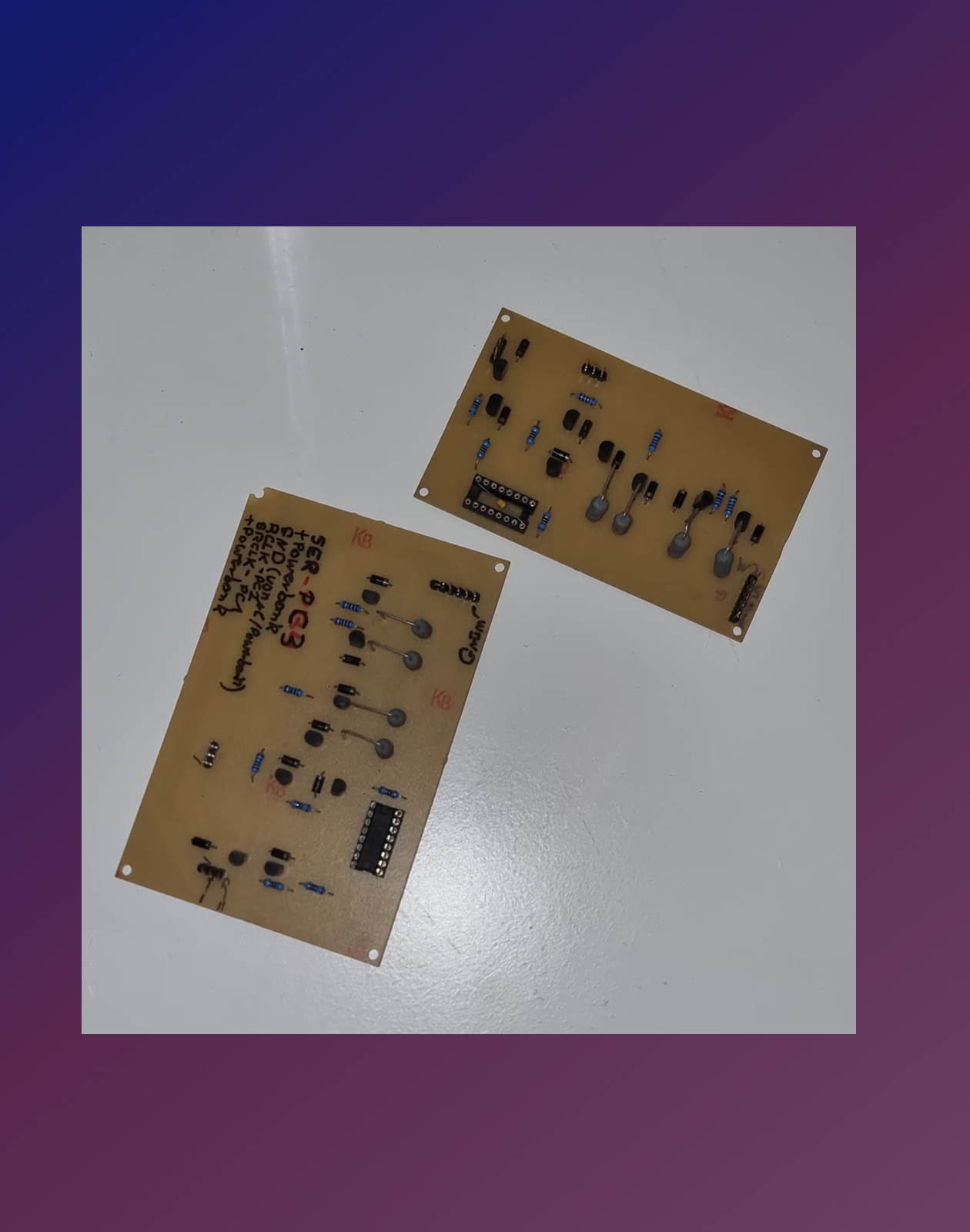
The project combines hardware and electronics design techniques to achieve reliable motor control: Transistors for switching, a shift register PCB for assembling the circuit.
What I have learned?
Through this project, I developed a strong understanding of DC motor control and H-Bridge circuit design. I learned how to safely control motor direction and speed using transistors. The project helped me deepen my knowledge of current flow, voltage regulation, and protecting electronic components from electrical stress. In addition, I gained hands-on experience integrating hardware with microcontroller-based control systems, improving my troubleshooting skills and my ability to design reliable and modular electronics solutions.
Keywords
H-Bridge Motor Control DC Motors PWM Electronics Project Embedded Systems Robotics DIY Circuit Bidirectional Motor Control